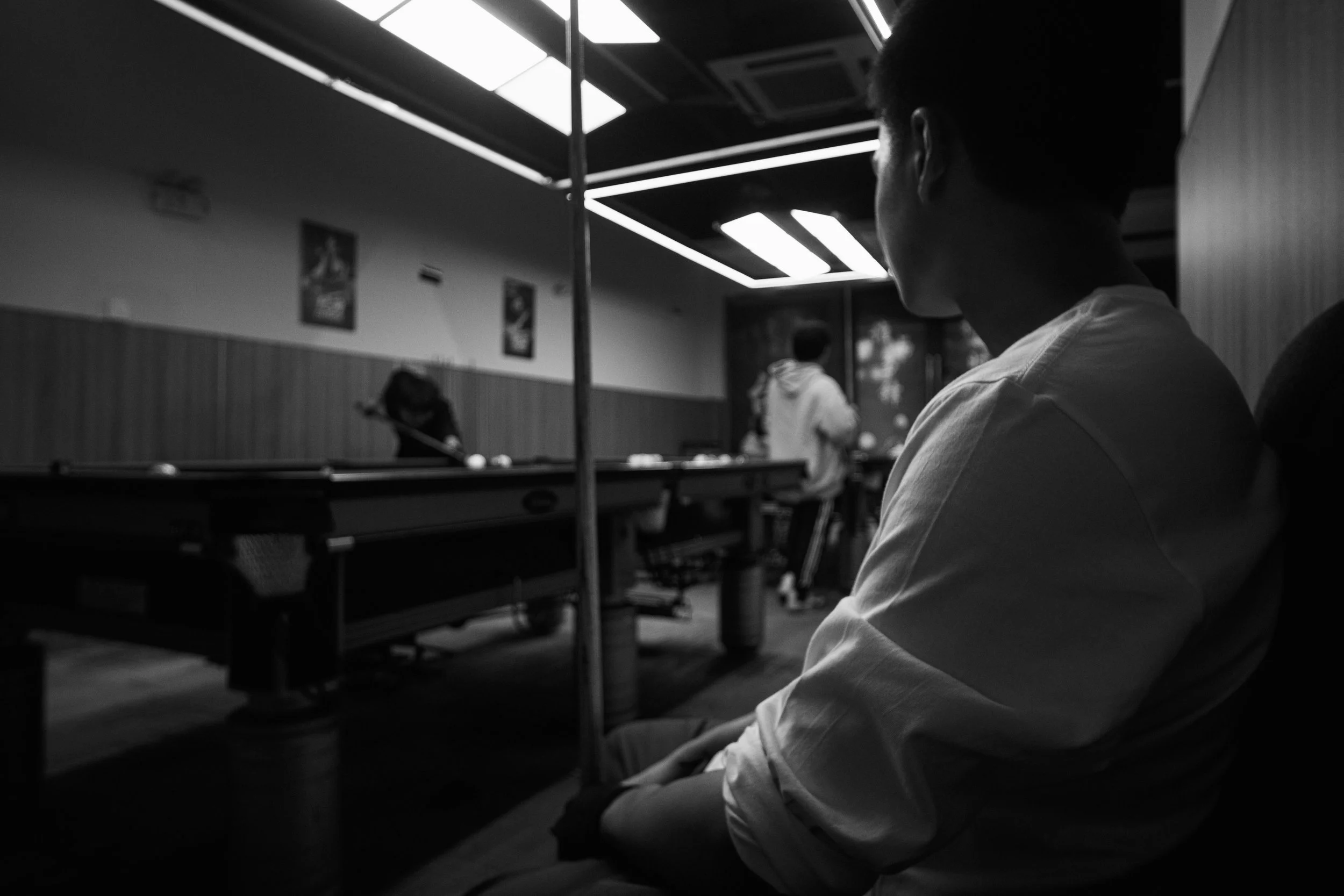
The House Man: The Guardian of the Slate
Chalk manager, rack mechanic, referee, peacekeeper and unofficial mayor—the man who kept the old poolroom running.

Harvey Martin and the West Coast Balance Standard
How a Los Angeles cue maker became associated with a different idea of what a custom cue ought to feel like.

The Feather-Touch Hustle
How patience, touch and a refusal to hurry became weapons in the back corners of the poolroom.
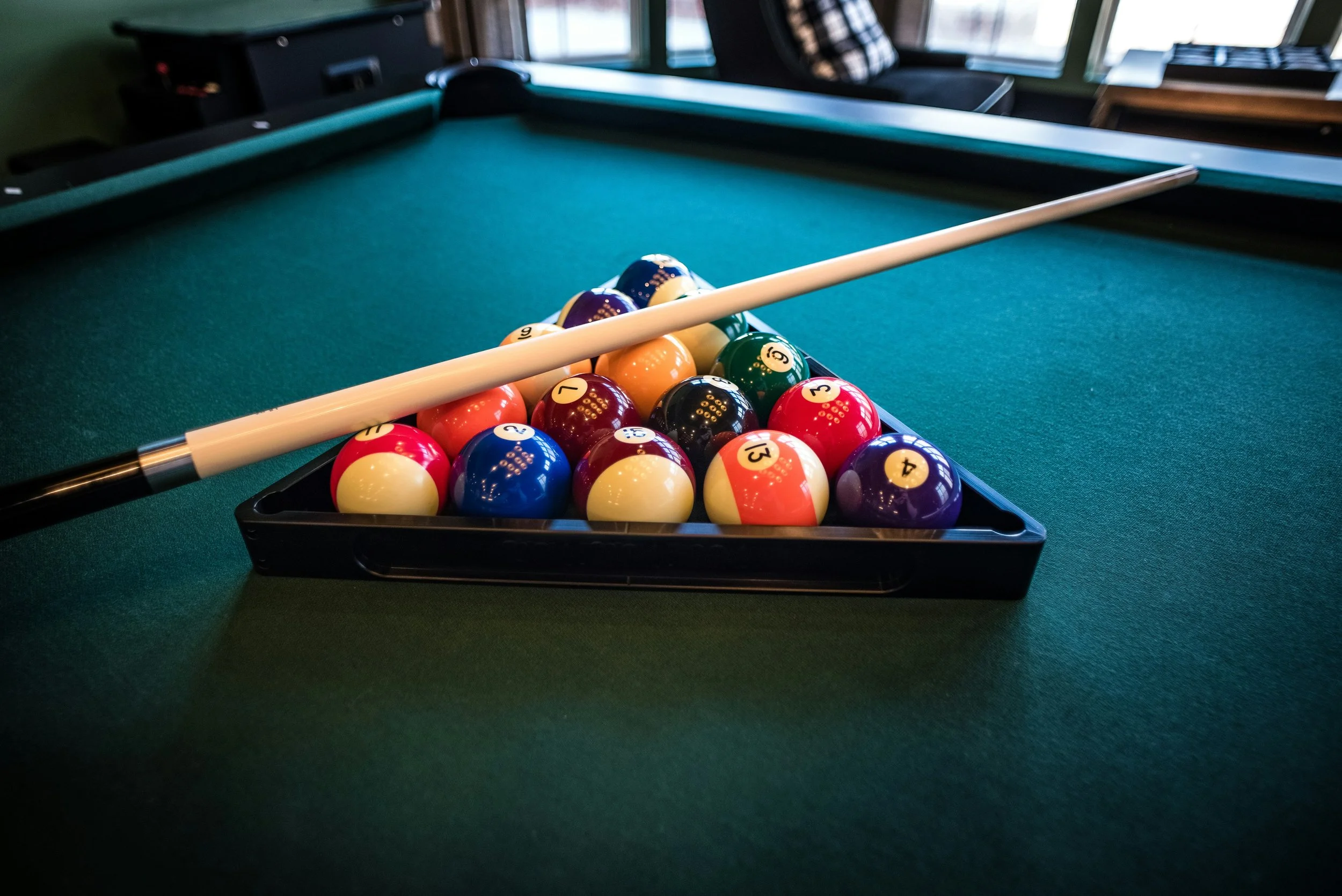
The Steel-Joint Era: Herman Rambow and the Search for the Solid Hit
The Chicago cue maker whose name became attached to one of American pool's most enduring ideas: the solid hit.
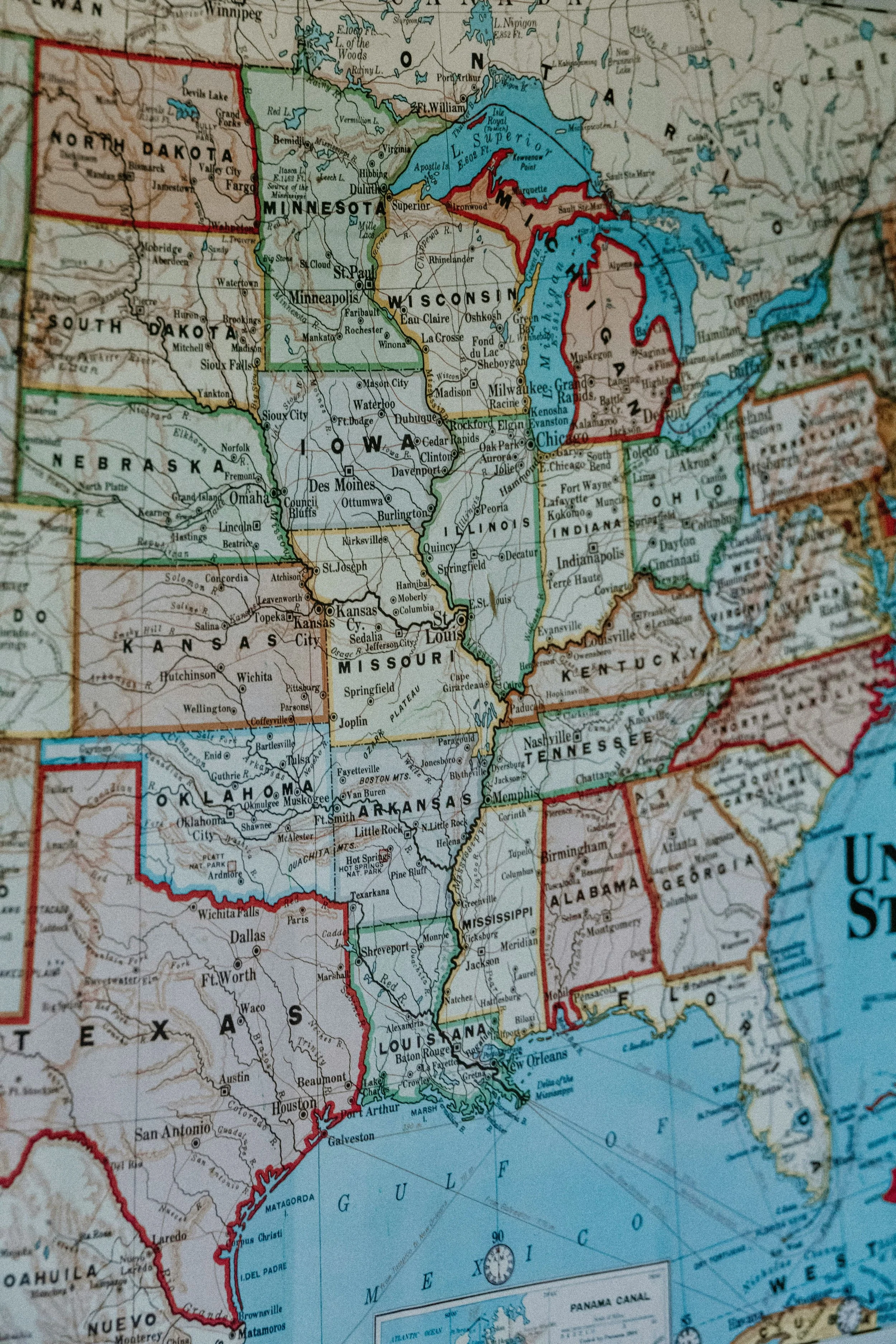
The Texas Wedge vs. the Brooklyn Snap
How geography, local tables and the road game helped give American pool its regional accents.
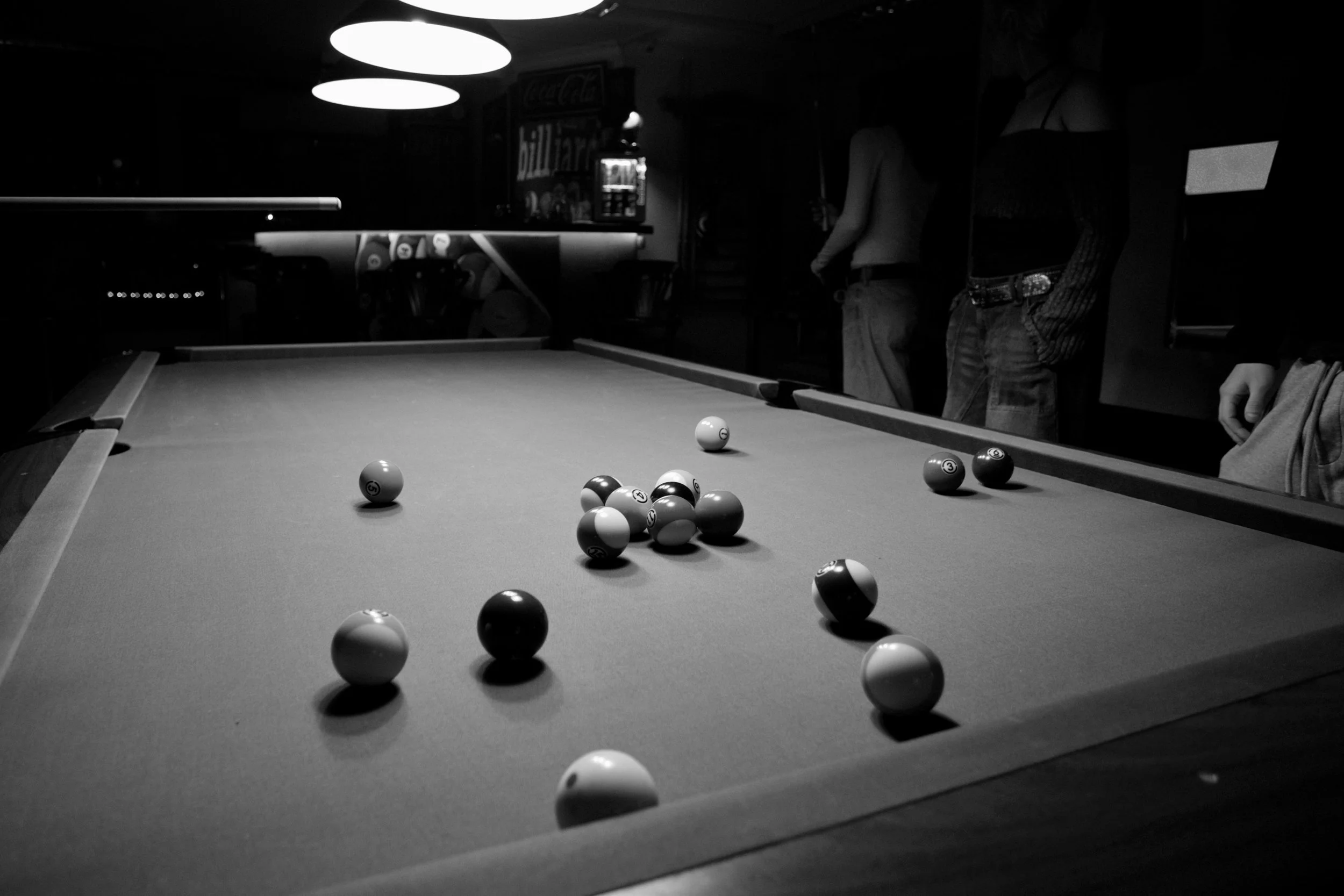
The Electric Lamp Era: How Tungsten Lighting Transformed Table Visibility
From flickering gas flames to focused overhead lamps—the quiet optical revolution that changed what a player could see on the slate.
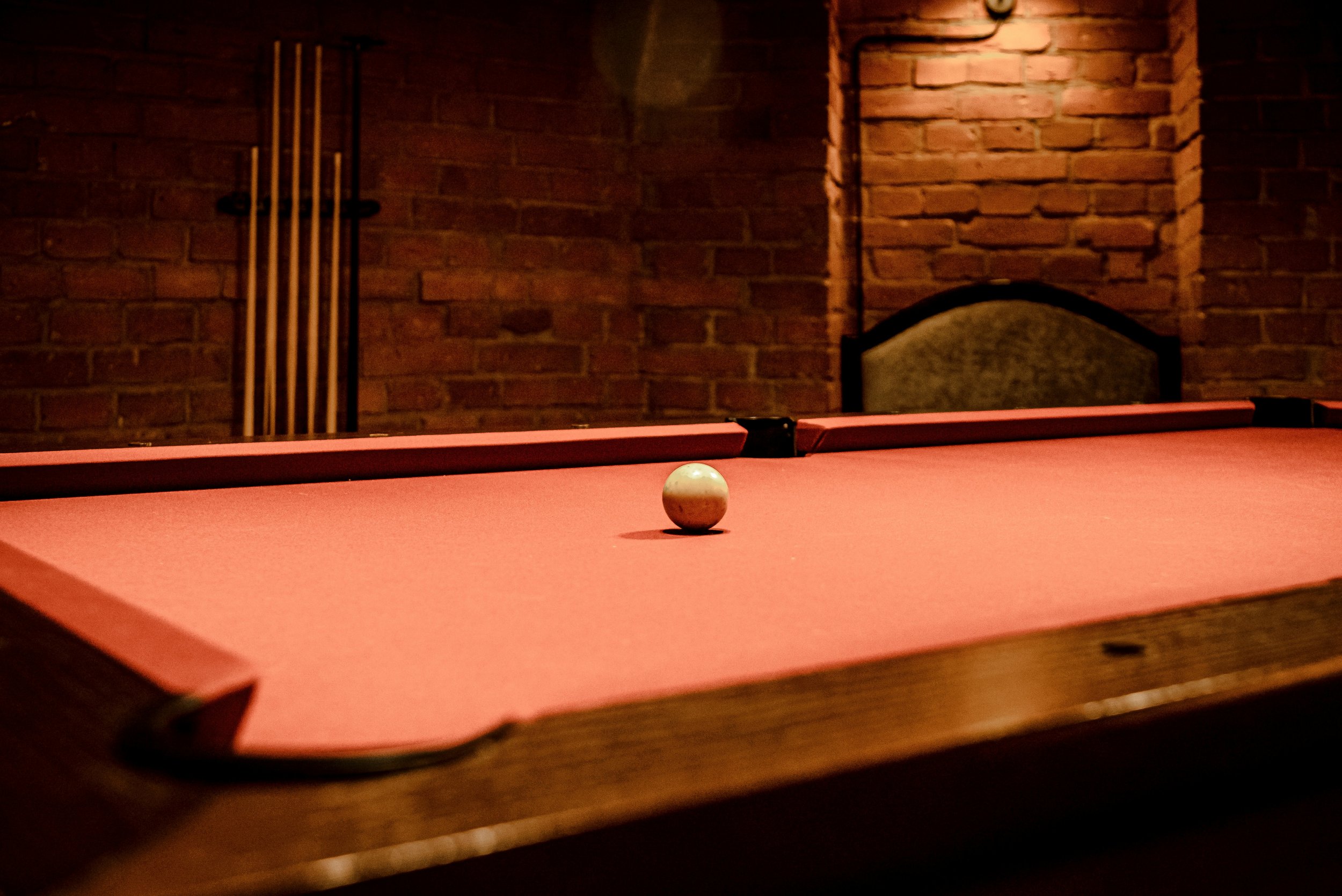
The Wall Rack Architecture: Cue Display as Room Artistry
Custom oak cases, spring-loaded clips, and master key locks—how the old poolroom kept its cues, and its regulars, in their proper places.
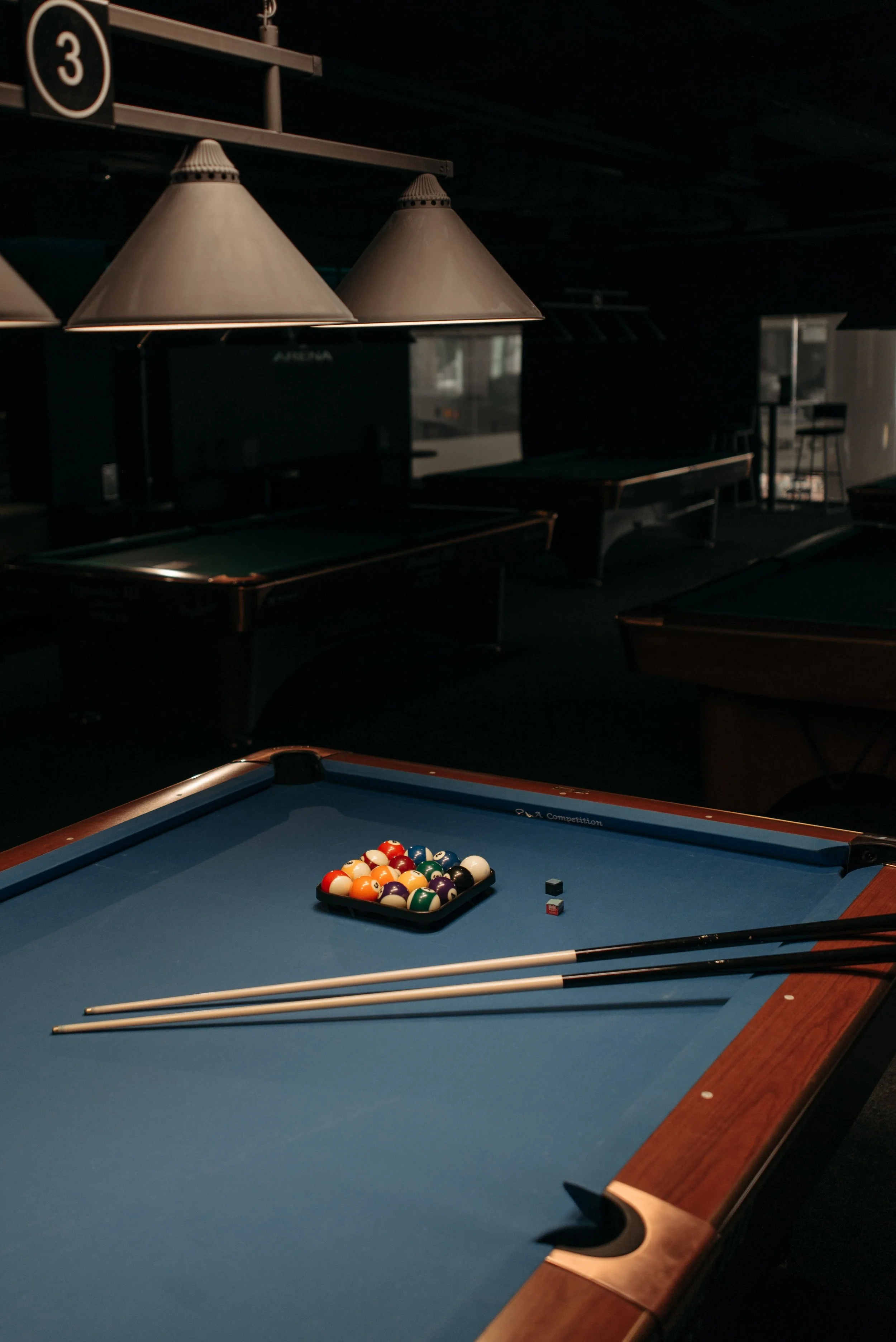
The Death and Reinvention of the American Poolroom
What happened when America decided the old pool hall needed a new image.
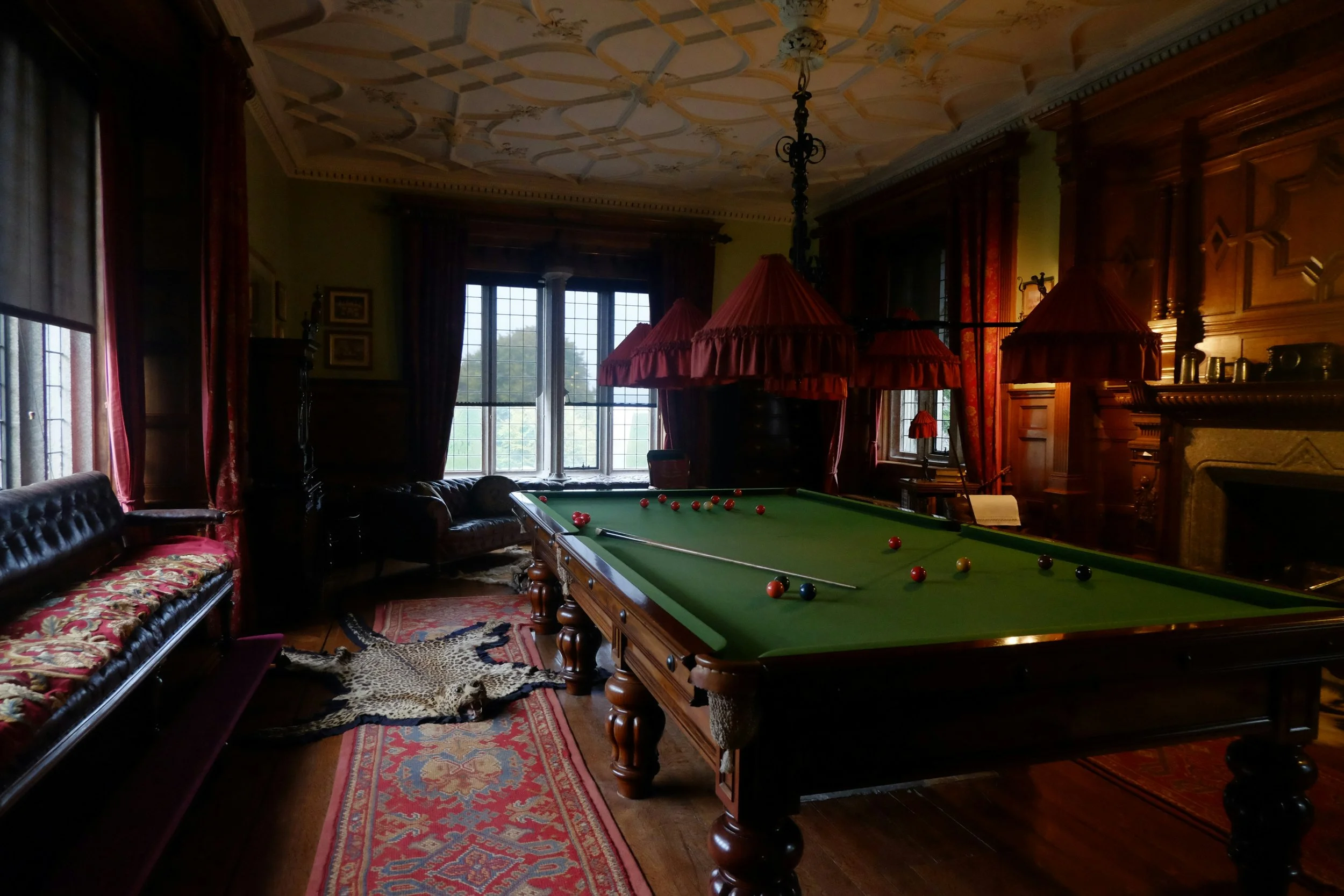
The High-Luster Rail Cap: Rosewood, Mahogany, and Table Cabinetry
Why the great billiard tables were built to function like machinery and look like furniture.
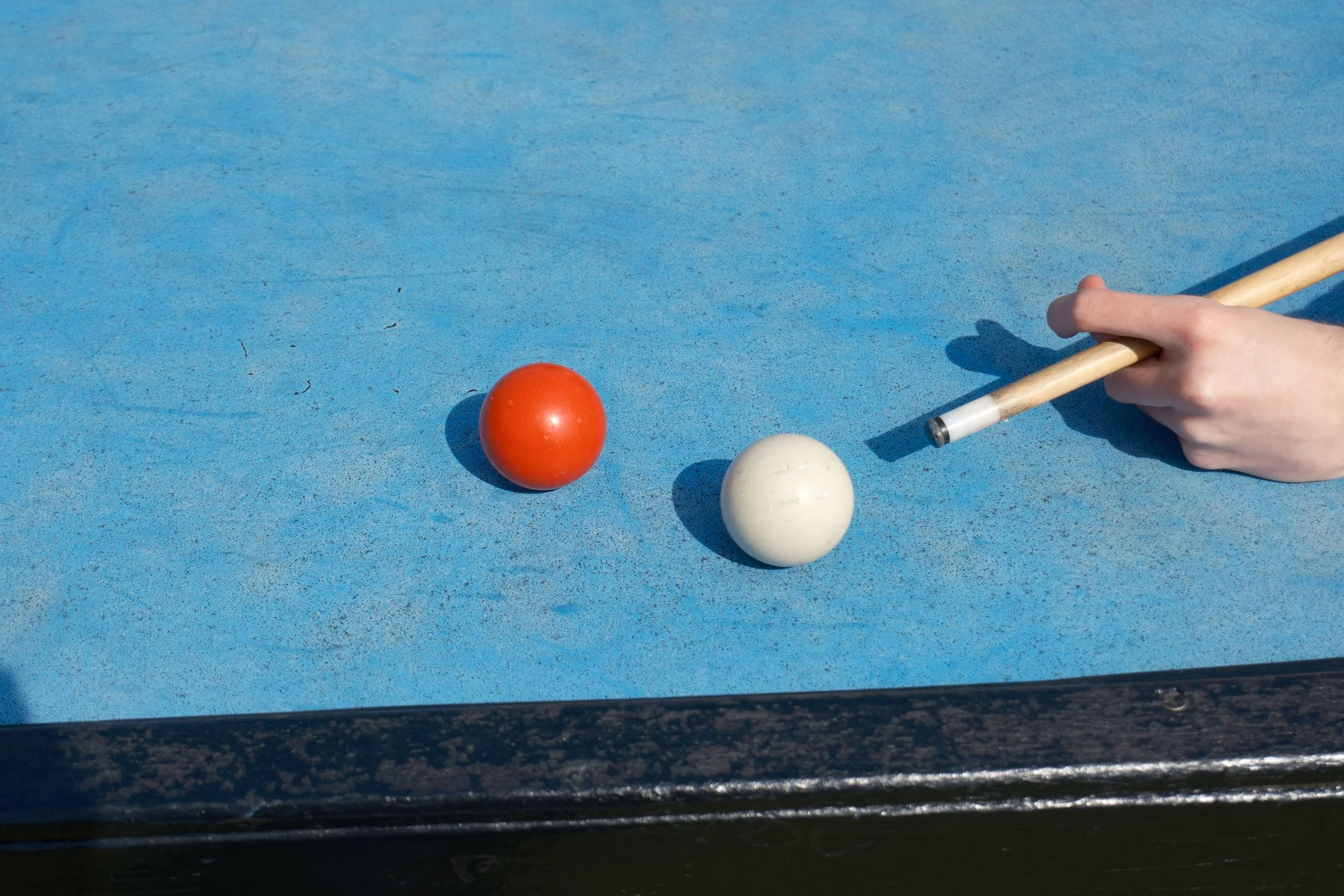
The French Carom Influence: Three-Cushion Billiards as the High-Art Discipline
No pockets, no easy answers—just geometry, imagination, and three cushions standing between the player and the point.
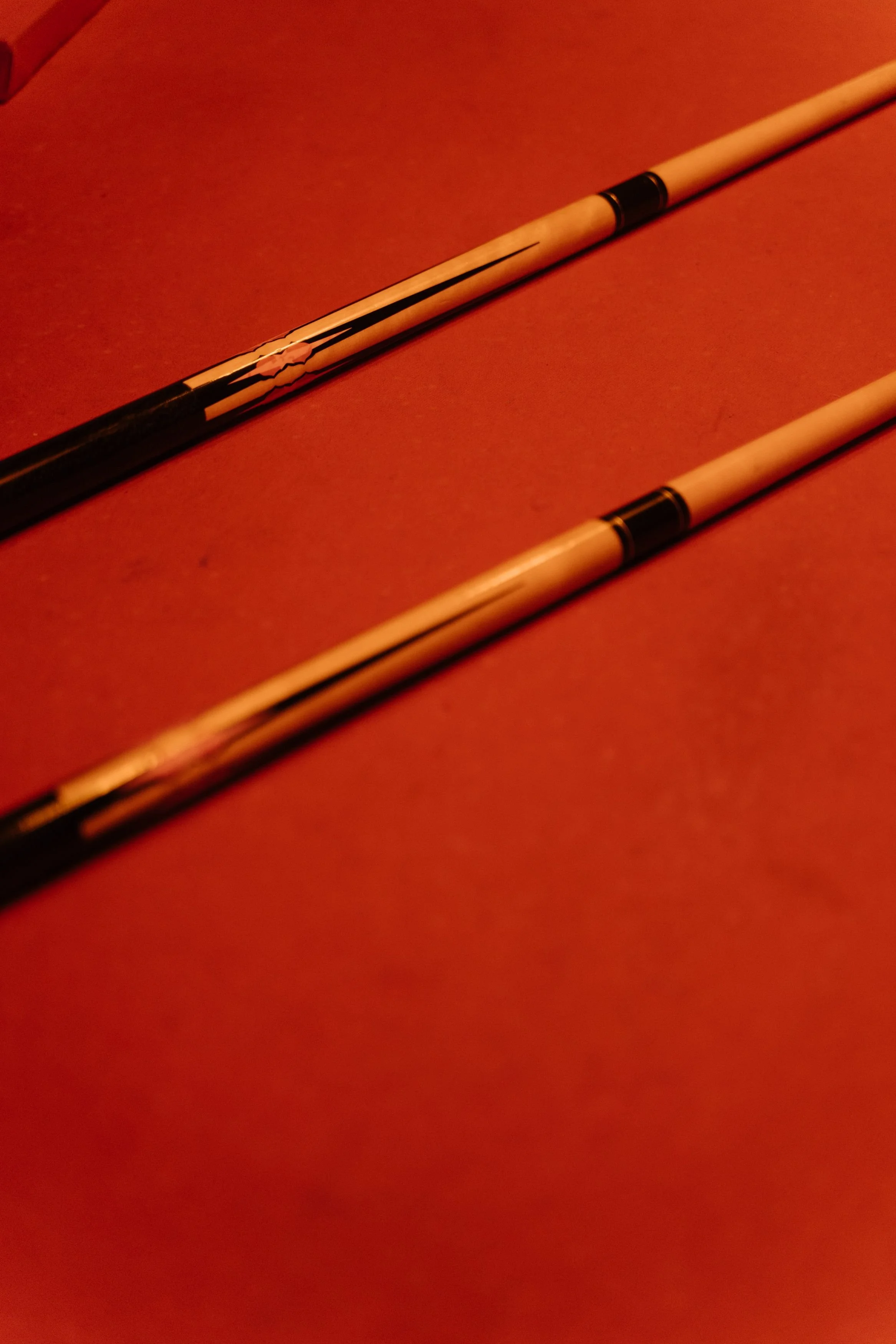
The Hustler’s Leather: The Origins of the Joint Protector and Case Culture
How the road player learned that a good cue needed protection almost as much as it needed a good stroke.
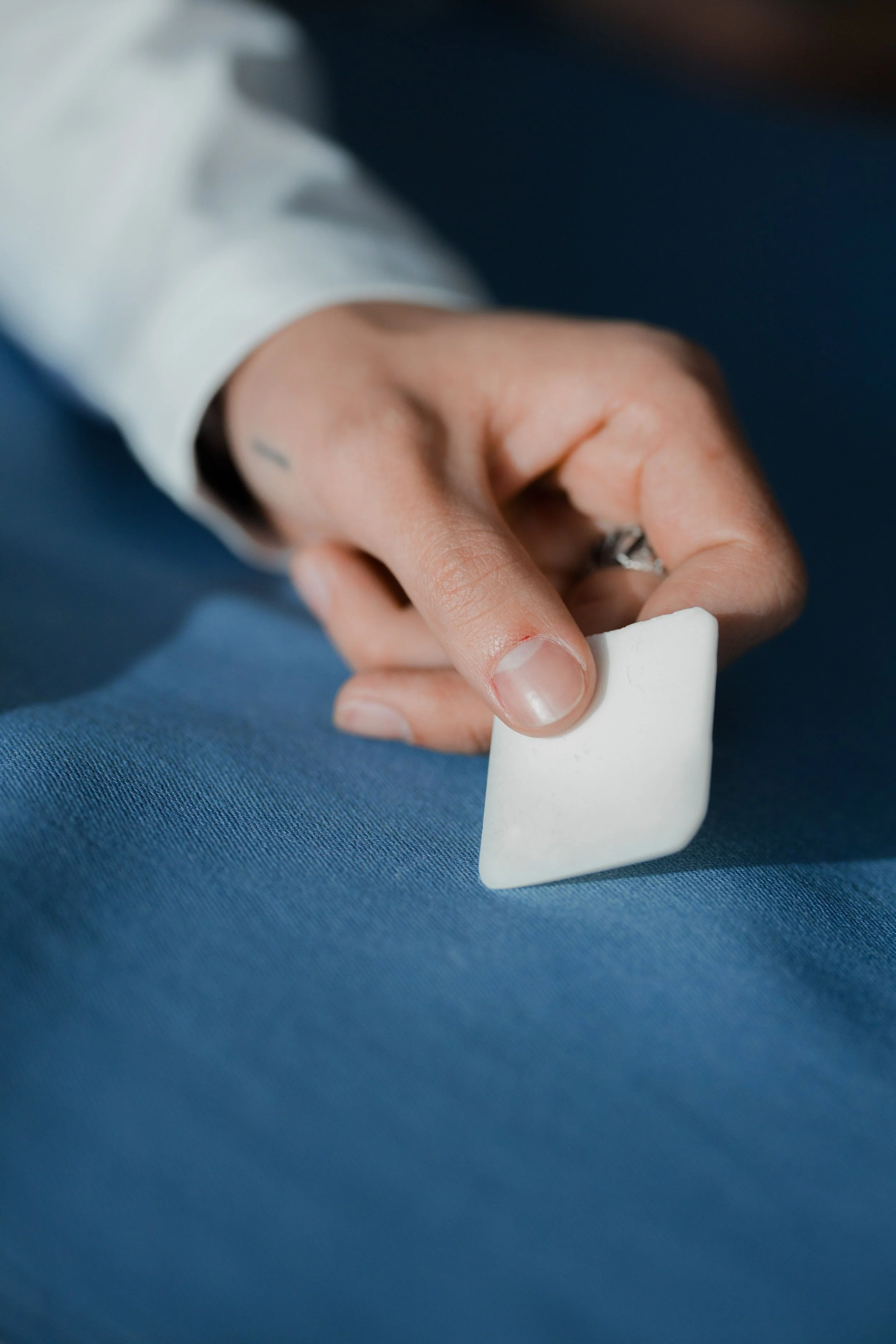
The Tailor’s Chalk & The Tweed Suit
When a player’s appearance became part of his reputation
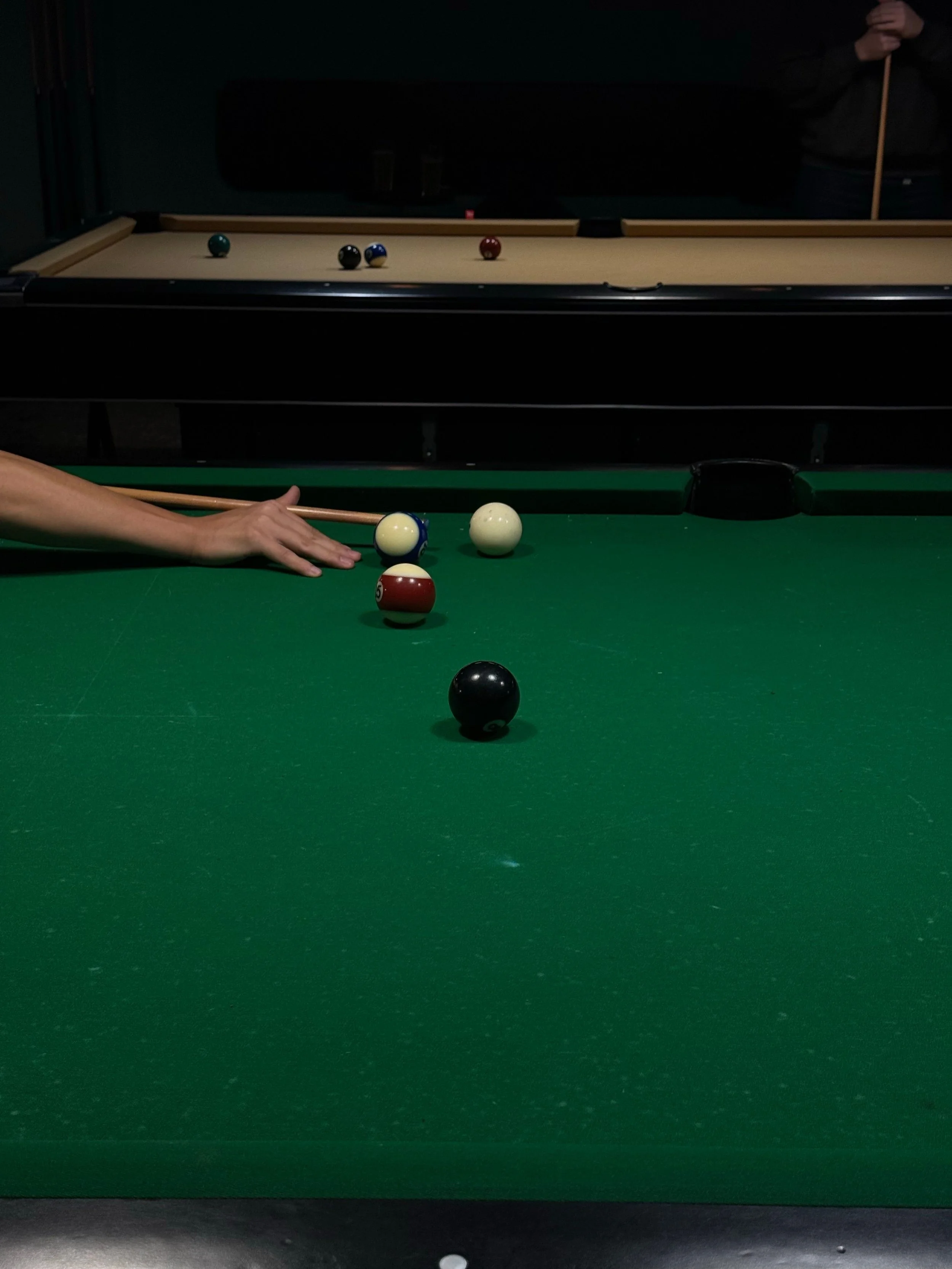
The Bank Pool Tradition of the Ohio Valley
The long route, the hard cushion, and the pleasure of a well-earned shot
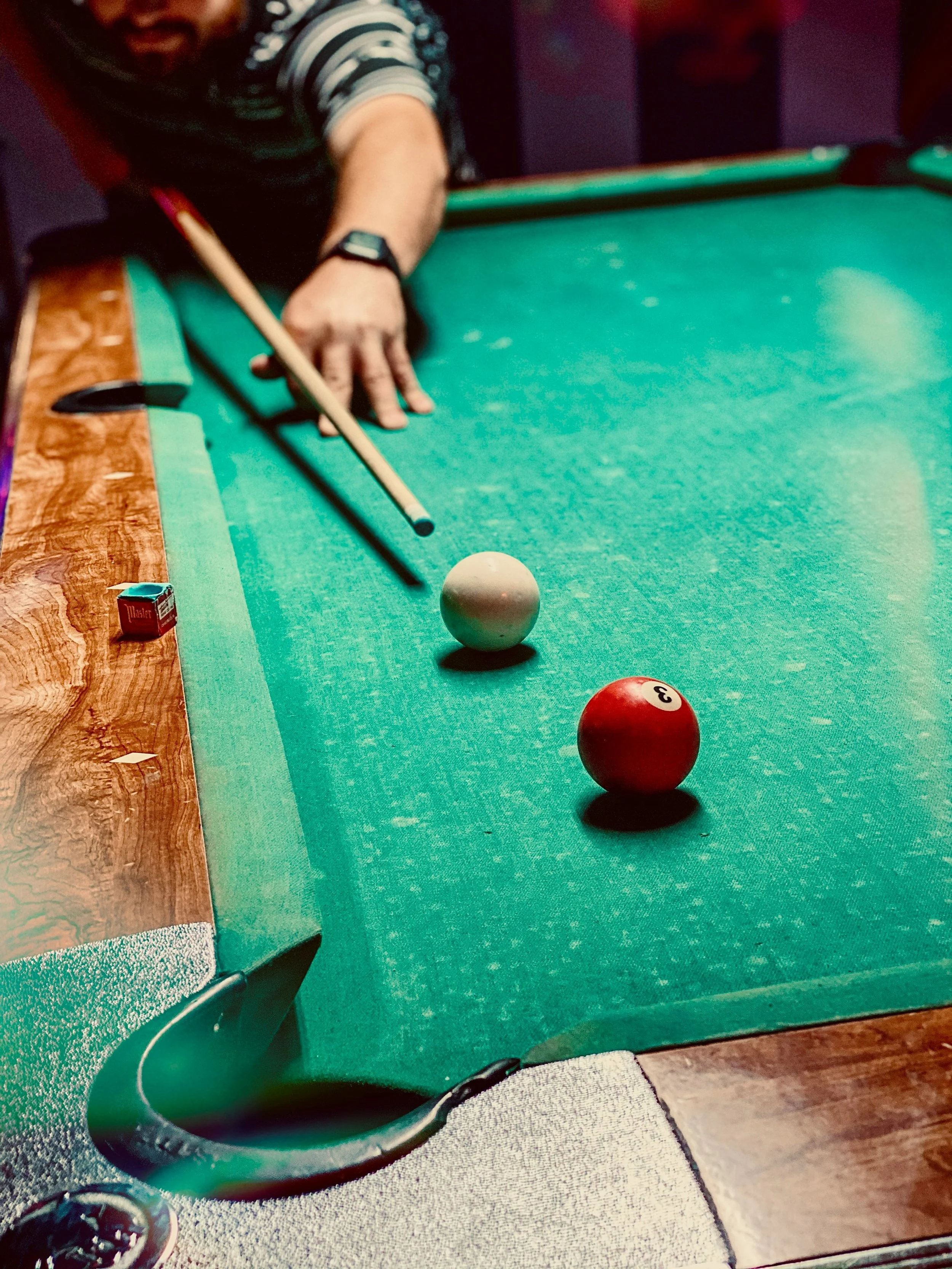
The Diamond System: Geometry and Math on the Slate
When the rails became a map for the billiards player
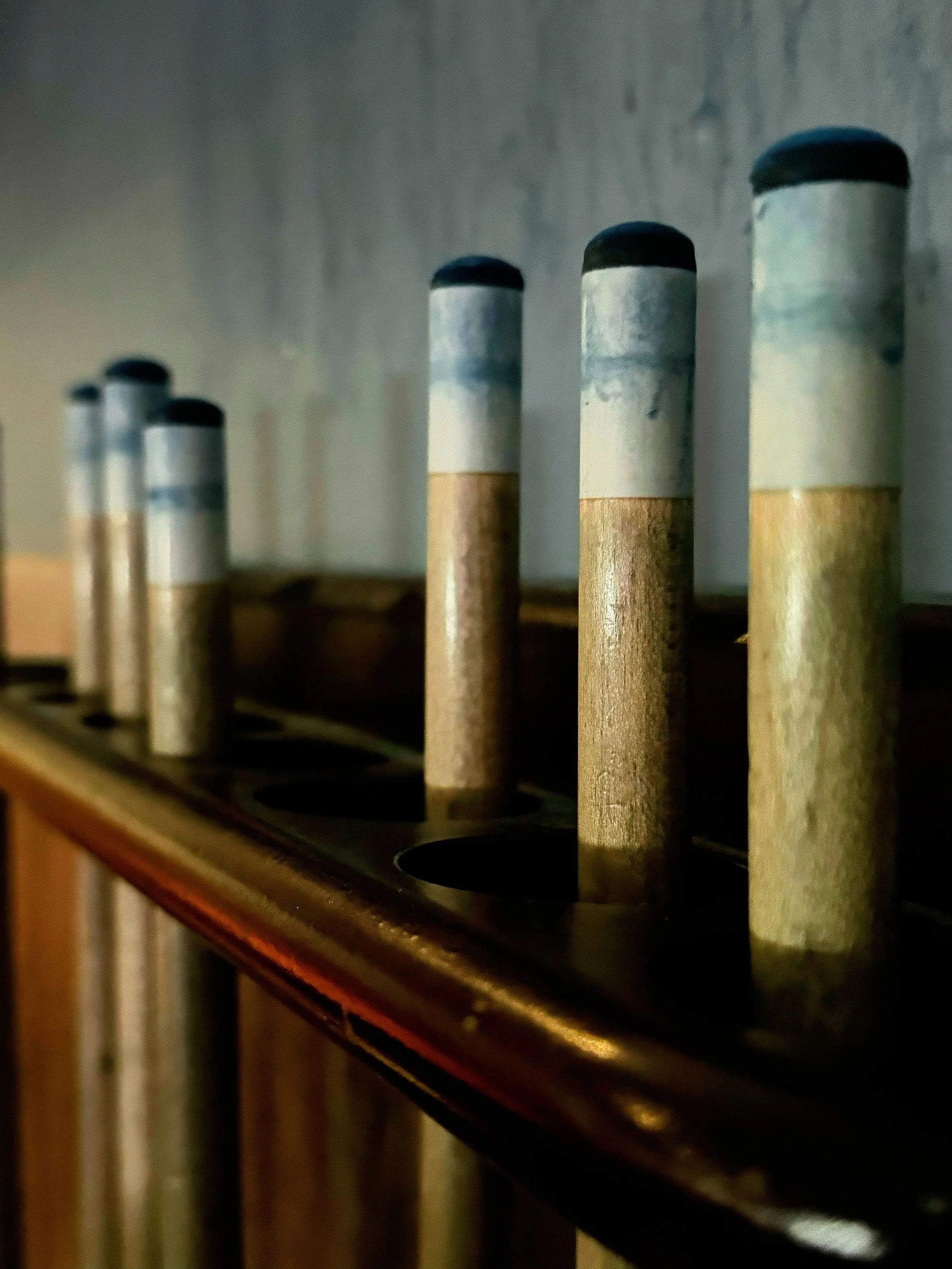
The Custom Cue Pioneer: Herman Rambow’s Chicago Workshop
Where a cue became more than a stick of wood

When Hollywood Discovered the Poolroom
How movies turned the American pool player into a cultural character.

The Local Champion
Every town had one—the player who knew the tables, the room, and the game better than anybody else.
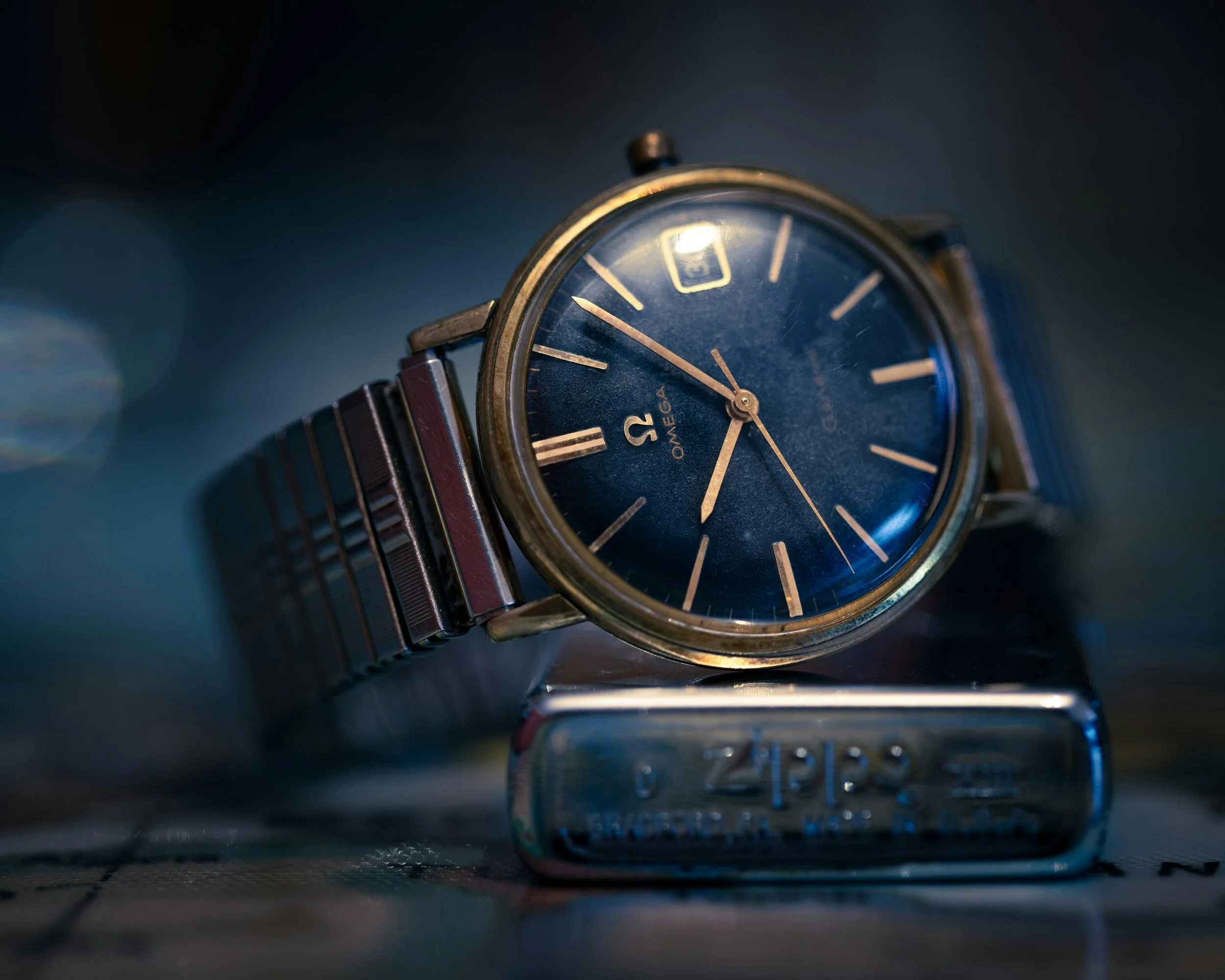
The Poolroom Clock
Morning players, afternoon regulars, night owls and the late action crowd—the old billiard room had a schedule all its own.
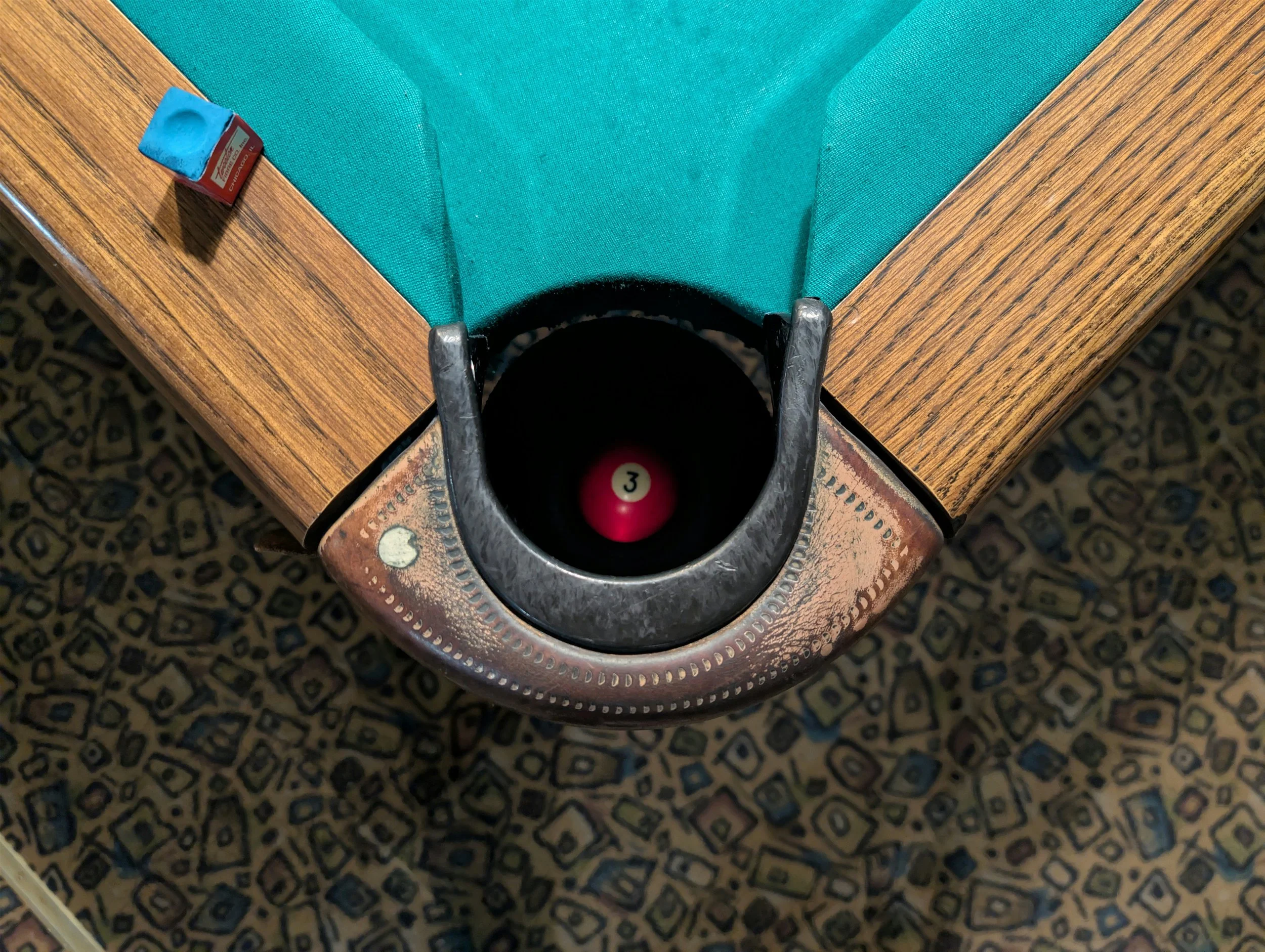
The Poolroom Dictionary
Chalk, action, dead balls, road men and railbirds—the language of the poolroom was almost a game of its own.
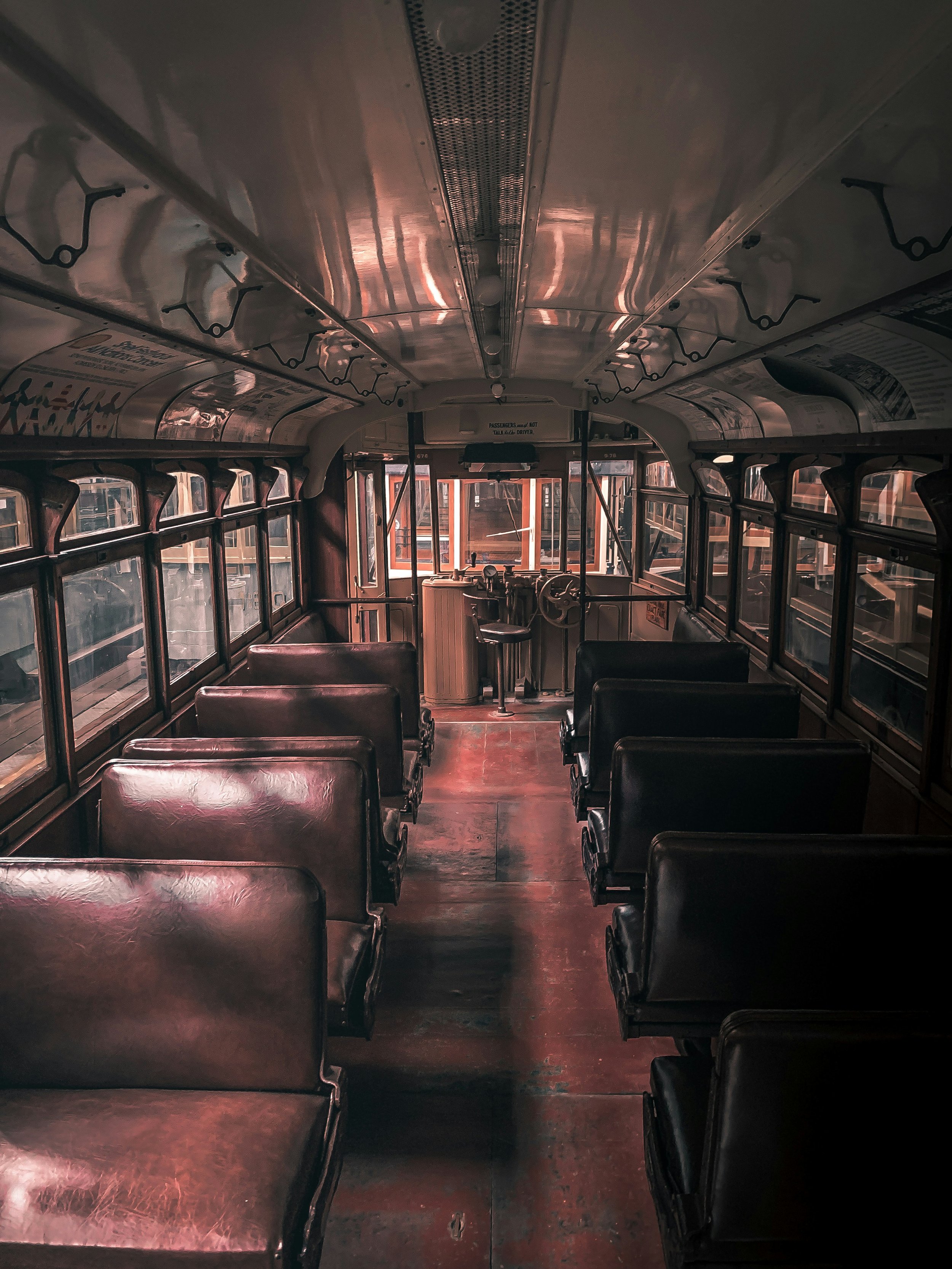
The Road Player's America
Buses, trains, small-town rooms, and the traveling players who learned that every poolroom had its own language.